
 Login
Login Contact us
 Become a partner

Krämmel: How a Family-Run Construction Company Puts Sustainability Into Numbers
Sustainability was always lived practice at Krämmel, just never captured in numbers. Here’s how the family-run construction company turned 75 years of business practice into a reliable data foundation with a double materiality assessment, a carbon footprint, and its first ESG report.
How a family-run construction company puts sustainability into numbers
For Krämmel, sustainability was never just a matter of regulation. Projects like the OPUS.G district in Geretsried and Mittenheim in Oberschleißheim have relied on sustainable construction methods and materials for years, and subsidiary ecobility supports companies with energy efficiency and decarbonization. What was missing was a structured way to capture these sustainability activities: a double materiality assessment, a reliable carbon footprint, and a first ESG report that turns everyday practice into concrete figures.
About Krämmel
Krämmel Unternehmensgruppe is a regionally rooted, mid-market family business now in its third generation, with a company history spanning more than 75 years. It stands for tradition and future orientation, experience and innovation, creativity and reliability, offering comprehensive real estate solutions. Its services range from planning to turnkey construction and technical facility management. The group focuses on high construction quality, well-thought-out concepts, optimized processes, and durable construction execution in select locations.
The Challenge
Krämmel originally planned to use the upcoming CSRD as an opportunity to approach sustainability in a structured way. When the Omnibus package then pushed back the regulatory deadlines, Krämmel could have put the topic on hold. The company made a conscious decision not to.
“For us, sustainability was never solely a matter of regulatory requirements,” says Marinus Krämmel, managing director at Krämmel.
That’s because the expectations of customers, business partners, financial institutions, and employees remain regardless of which reporting obligation currently applies. For a third-generation, regionally rooted company, this was about more than a compliance deadline. It was a chance to finally bring together, in one place, sustainability activities that had long been part of daily business but had never been documented in a structured way.
The Solution
The starting point was a double materiality assessment under ESRS. In the DMA module of VERSO ESG Hub, Krämmel identified the topics material to the company and its stakeholders in a structured process, then used this as the basis for collecting the relevant ESG data in the Hub according to VSME. Building on this, the team wrote the sustainability report itself, supported by well-founded, expert feedback from VERSO’s specialists.
“The software provides good structure and brings all the necessary data together in one place, while the experts offer valuable guidance on technical questions or uncertainties,” the company reports.
VERSO Climate Hub was used for the carbon footprint. It helped the team capture the necessary data and made the calculation steps easy to follow, so the team knew exactly which data was needed and how to assign it to the relevant emissions categories. The AI-powered emission factor search proved especially helpful, particularly for this first carbon footprint calculation. The combination of software and personal consulting gave the team the confidence to build the report largely on its own while keeping it technically sound.
The Results
After completing the first carbon footprint, the double materiality assessment, and a structured ESG data collection process resulting in a sustainability report, Marinus Krämmel takes stock: “The process helped us look at sustainability in a more data-driven and strategic way.”
For the first time, the company gained a well-founded overview of its own emissions sources, creating a reliable, comparable data foundation for future measures. The double materiality assessment also proved valuable for the Krämmel team: it confirmed some existing assumptions while opening up new perspectives.
This first report now marks the starting point for further work, as Krämmel plans to continuously improve data quality and progress tracking in the coming years. The focus won’t be on environmental aspects, the “E” in ESG, alone. As a company led across generations and rooted in its region, social and governance topics are also moving further into focus, from fair working conditions to long-term partnerships to regional community engagement: “We’re responsible not only for the environment and climate, but also for our employees, customers, and society.”
We look forward to continuing our work with Krämmel on future sustainability reports and carbon footprint calculations!
Benefits in a nutshell
- Clear structure for carbon footprint calculation
- Valuable insights from the double materiality assessment
- Centralized ESG data collection in the Hub
- Expert feedback from VERSO specialists on open questions
- High degree of independence in building the report
- Reliable data foundation for the years ahead
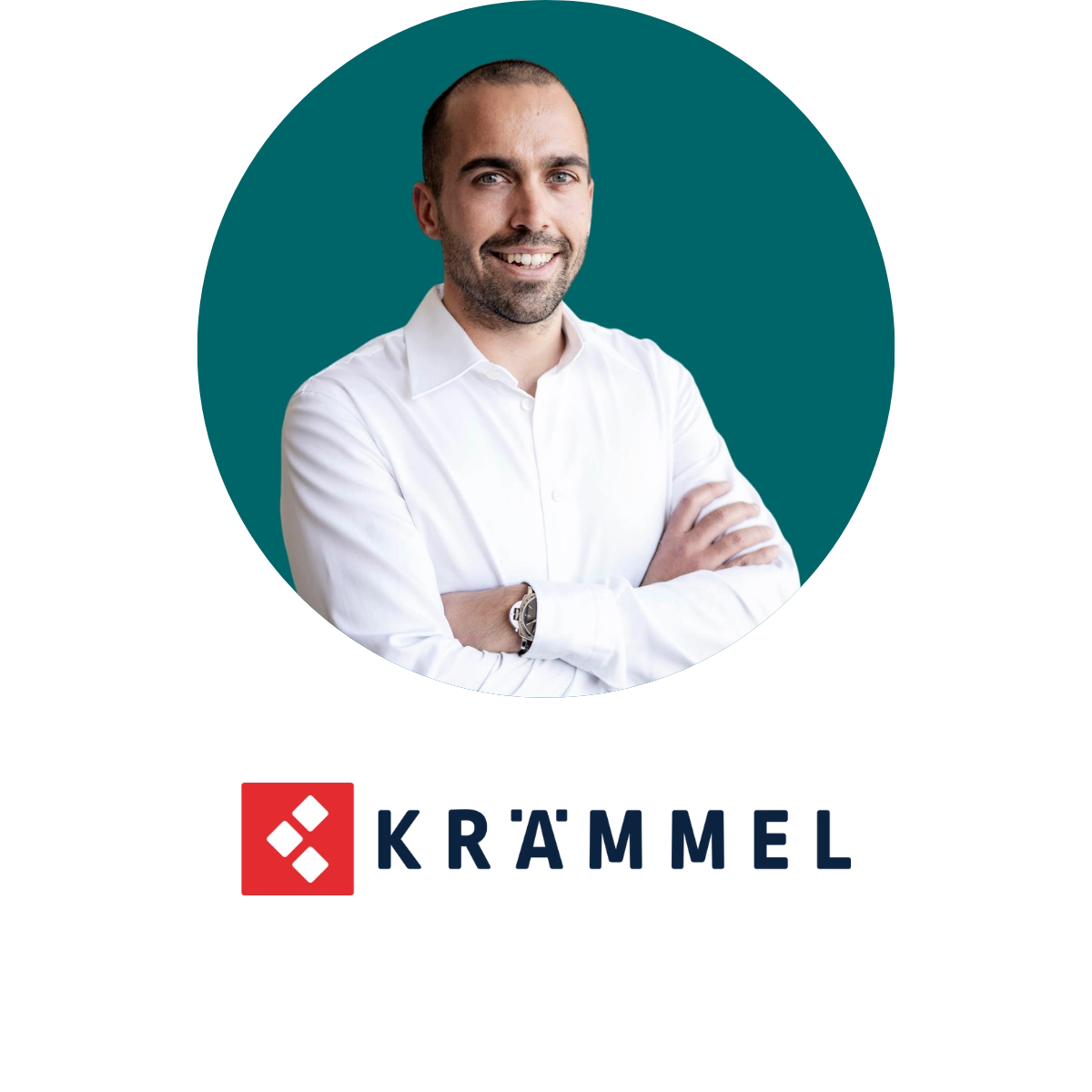
Especially for our first carbon footprint calculation, it was helpful to have clear guidance on which data was needed and how to assign it to the relevant emissions categories.
The process helped us look at sustainability in a more data-driven and strategic way.
Schedule your demo!

Register now to arrange a free demo appointment and get to know our solutions at first hand.
- Pragmatic all-in-one solution for ESG reporting, climate and supply chain management
- Individual advice from the VERSO experts
- Developed with expertise from 12+ years of sustainability management